


India’s red-light districts are more than just areas associated with sex work; they are complex social and economic ecosystems shaped by history, migration, and cultural dynamics. Among them, Sonagachi in Kolkata stands out as the biggest red light area in India, attracting widespread attention for its size, organization, and impact on the local community.
These districts are home to thousands of sex workers, many of whom come from different states and neighboring countries, bringing diverse cultural and social backgrounds. Life in these areas is a blend of struggle, resilience, and survival, with individuals navigating economic necessity, societal stigma, and personal aspirations.
Understanding the realities of these districts goes beyond sensationalism. It requires a compassionate look at the challenges sex workers face, the systems of support that exist, and the socio-economic factors that sustain such communities.
10 Biggest Red Light Areas in India
India has several red-light districts with deep historical roots, socio-economic significance, and complex challenges. Let’s look at some of the biggest red light area in India
Sonagachi: Asia’s Largest Red-Light Area
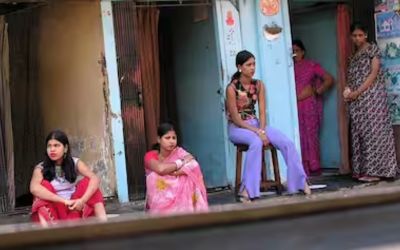
Sonagachi, located in North Kolkata, is often recognized as Asia’s largest red-light district, with an estimated 10,000 to 16,000 sex workers across several hundred multi-storey brothels. The area has a history dating back to the Mughal period, and its name comes from a Sufi saint, Sona Ghazi, whose tomb still exists in the locality.
The demographic is diverse, including individuals from Nepal, Bangladesh, and Indian states such as Assam, Bihar, and West Bengal. Many enter the trade through coercion or false promises of employment. Despite these challenges, local organizations provide healthcare services, advocate for rights, and combat stigma, fostering resilience and community support.
Kamathipura: Mumbai’s Historic Red-Light District
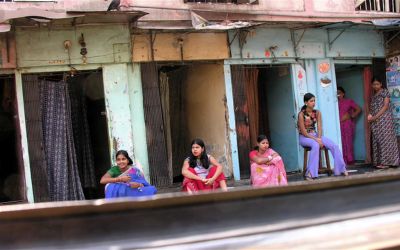
Kamathipura in Mumbai is one of India’s oldest red-light districts, established in the 19th century. It expanded rapidly due to migration and the demand for sex work in a busy colonial city. At its peak, the district housed thousands of sex workers in narrow lanes and multi-storey brothels.
Urban redevelopment has changed Kamathipura significantly, with some traditional brothels replaced by commercial buildings. Despite this, it continues to operate as a hub for sex work, drawing both local and international clients. The district faces ongoing issues such as trafficking, exploitation, and social stigma.
Budhwar Peth: Pune’s Red-Light Hub
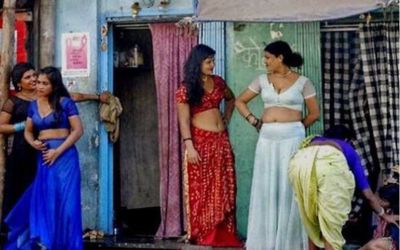
Budhwar Peth in Pune has been a center for sex work for over a century. Named after the Hindu god of war, Kartikeya, the area attracted sex workers from across India. Narrow streets and dense settlements reflect its long history as a commercial hub for adult services.
Despite government crackdowns and social stigma, Budhwar Peth remains active. Many sex workers rely on community networks for safety and support, demonstrating resilience and survival strategies within the district.
Chaturbhuj Sthan: Bihar’s Cultural Intersection
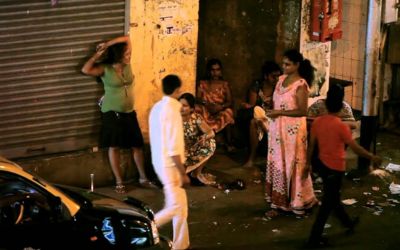
Chaturbhuj Sthan in Muzaffarpur, Bihar, is unique for its blend of culture and commerce. The district is known for Mujra performances, where sex workers entertain clients with traditional dance and music, connecting artistry with livelihood.
Women often enter the trade due to economic hardships or coercion, highlighting regional socio-economic challenges. While culturally vibrant, the area faces issues of exploitation, trafficking, and social stigma.
G.B. Road: Delhi’s Largest Red-Light District
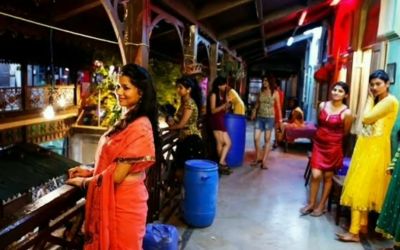
G.B. Road, officially Garstin Bastion Road, is Delhi’s largest red-light district. It is known for its narrow lanes and dense network of brothels, attracting sex workers from across India. The district operates under a delicate balance of social tolerance, legal scrutiny, and economic demand.
Despite police surveillance and regulatory measures, G.B. Road remains active. Sex workers face health risks, exploitation, and social ostracization, while tightly knit community networks provide support and security.
Shivdaspur: Varanasi’s Red-Light District
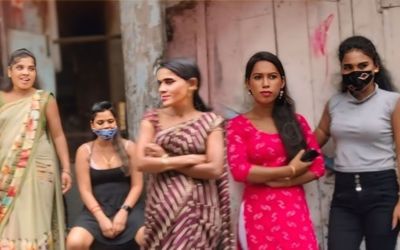
Shivdaspur in Varanasi became prominent in the 1970s. The area has seen a decline in clientele due to health concerns and local pressure, but it continues to operate, reflecting the economic dependence of many individuals on sex work. Community networks help provide safety and support for sex workers navigating these challenges.
Meergunj: Prayagraj’s Controversial Hub
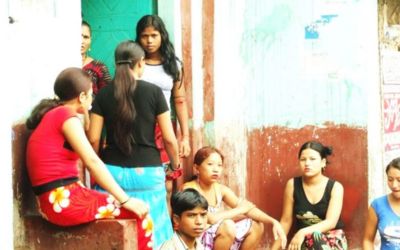
Meergunj, located in Prayagraj, is known for sex trafficking and forced prostitution. Legal enforcement and societal stigma continue to be major challenges, making it one of India’s more controversial red-light districts. Advocacy and community organizations work to support sex workers and improve safety and wellbeing.
Kabari Bazar: Meerut’s Red-Light Area
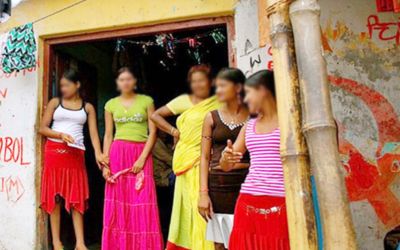
Kabari Bazar in Meerut has a high concentration of brothels and a long history of sex work. Despite legal interventions, sex work continues due to strong economic demand. The area reflects tensions between law enforcement efforts and livelihood needs, with local networks providing essential support to sex workers.
Khetwadi: Mumbai’s Historical District
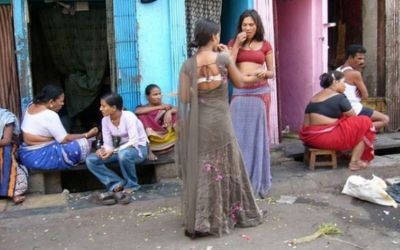
Khetwadi is one of Mumbai’s historically significant red-light districts. While redevelopment has led to the closure of some establishments, parts of the area still function as a hub for sex work. Community support systems help maintain safety and advocacy, illustrating the resilience of long-established networks amidst urban change.
Moula Ali: Hyderabad’s Overlooked Red-Light Scene
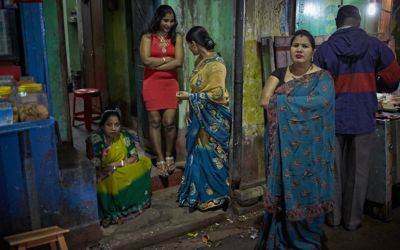
Moula Ali in Hyderabad has a thriving but often overlooked red-light district. Sex workers rely heavily on community networks for protection, healthcare, and economic support. Despite limited public attention, the district demonstrates how sex work persists within socio-economic contexts while fostering informal systems of safety and cooperation.
Conclusion
Sonagachi, being the biggest red light area in India, represents just one part of a broader network of districts across the country, including Kamathipura, Budhwar Peth, G.B. Road, and others. Each has its own history, cultural context, and challenges, highlighting the diversity of India’s red-light landscape.
Addressing the issues faced by sex workers requires a multi-dimensional approach. Legal reforms, healthcare access, rehabilitation programs, and social support are crucial to ensuring dignity and safety. Public awareness and education can reduce stigma and promote more inclusive communities.
By recognizing the human and socio-economic realities of these districts, society can work toward a more just and equitable future. Supporting the rights and well-being of sex workers in the biggest red light area in India and other districts is essential for safer, more empowered communities.
Frequently Asked Questions
Q1. Which is the biggest red light area in India?
The biggest red light area in India is Sonagachi in Kolkata, housing thousands of sex workers and operating as Asia’s largest red-light district.
Q2. Are red-light districts legal in India?
Prostitution itself is legal in India, but activities like running brothels, pimping, and trafficking are illegal under Indian law.
Q3. Which are other famous red-light areas in India?
Besides Sonagachi, notable districts include Kamathipura (Mumbai), Budhwar Peth (Pune), G.B. Road (Delhi), Chaturbhuj Sthan (Muzaffarpur), and Shivdaspur (Varanasi).
Q4. What challenges do sex workers face in these areas?
Sex workers often face exploitation, health risks, social stigma, trafficking threats, and limited access to legal or healthcare support in these districts.
Q5. Are there organizations supporting sex workers in India?
Yes, NGOs like Durbar Mahila Samanwaya Committee provide healthcare, legal aid, education, and advocacy for the rights of sex workers across red-light areas.
Also Read: