
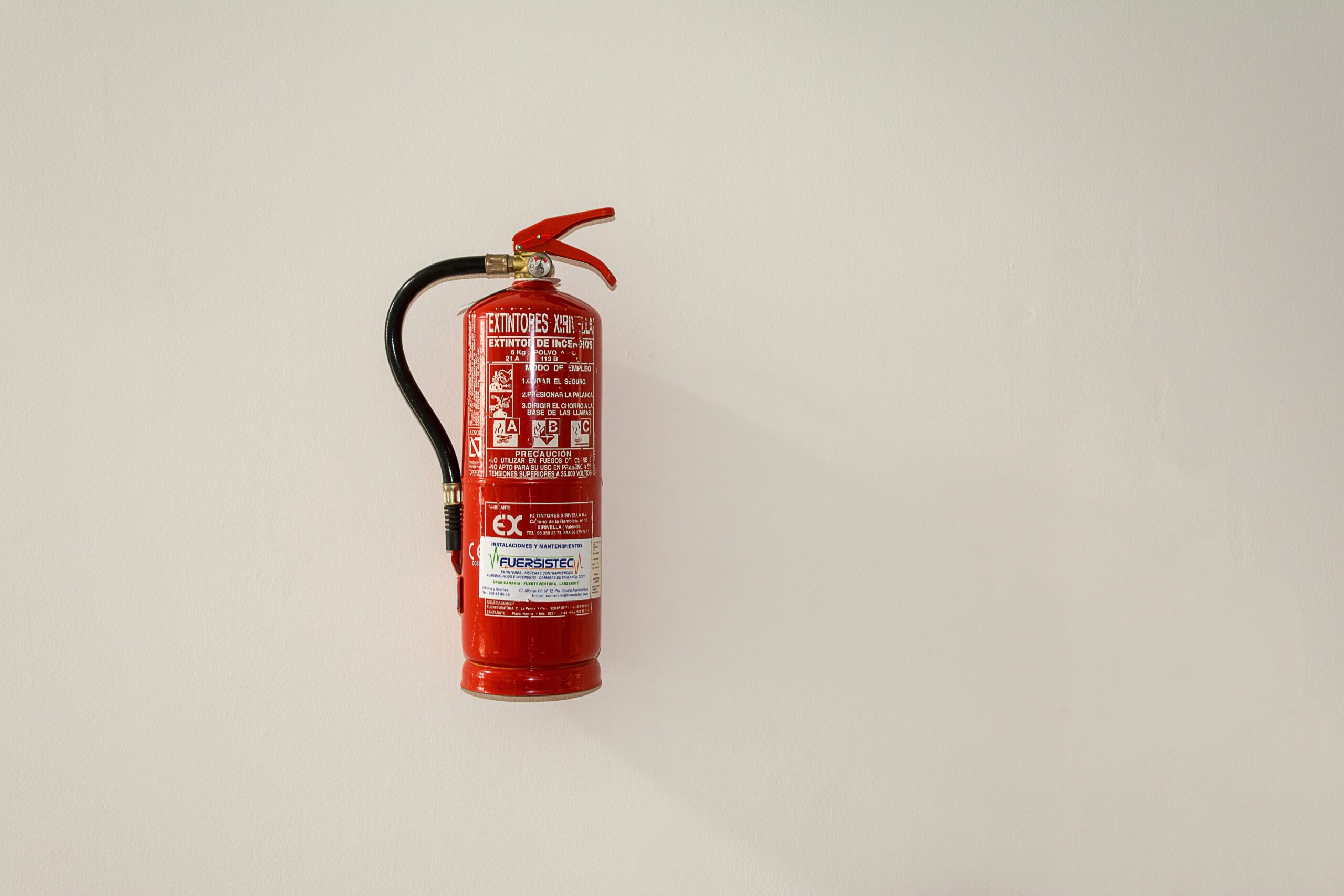
An active work site can change from one hour to the next. Materials are moved, crews shift between areas, and tasks involving heat or sparks may begin while other work continues nearby. In that setting, San Diego fire watch guards can provide a dedicated presence focused on spotting fire hazards and reporting problems before they grow.
Active Work Creates Moving Risks
A work site rarely stays exactly as it was when the morning shift started.
A storage area may become crowded. A crew may move equipment into another section. Walls or ceilings may be opened during construction. A welding job that was planned for one room could later move somewhere else.
Those changes matter because fire risk can change with them.
A person assigned to fire watch needs to notice what is happening around the areas covered by the assignment. That may mean making regular patrols, checking spaces affected by hot work, or paying closer attention to locations where combustible materials are present.
Some useful things to watch for include:
- Smoke or a burning smell
- Visible flames
- Sparks reaching nearby materials
- Unusual heat around recently completed work
- Combustible items placed too close to an ignition source
- Changes that make part of the work area harder to observe
- Other hazards identified by the site’s safety procedures
Nothing about this requires a complicated routine. The challenge is staying attentive when the rest of the site is busy.
Hot Work Needs More Than a Quick Look
Welding, cutting, grinding, and similar work can create sparks and high temperatures. The worker performing the task is focused on completing it safely, while a fire watch has a broader view of what is happening around the work.
That difference can be useful.
A spark may travel through an opening. Heat can reach material that is not directly beside the worker. On an unfinished property, spaces behind walls or above ceilings may also be difficult to see.
Before hot work begins, the responsible personnel should identify the areas that need attention and make sure the person on watch understands what is happening.
The watch should continue while the work is taking place. If the crew moves, the fire watch should know. If materials are brought into the area, that change should not go unnoticed.
The Area Around the Work Matters
Looking directly at the source of the sparks is only part of the job.
The surrounding space can contain the materials or openings that create a problem. A worker may not notice a spark landing behind a temporary barrier. Someone concentrating on a cutting task may not see smoke beginning in another part of the work area.
This is why the coverage area should be considered before the shift begins.
The right approach depends on the site. A small enclosed work area may be easy to observe. A larger property can involve several rooms, levels, or sections that need attention.
There is no useful reason to make every fire watch assignment identical. The layout and work should determine where the person needs to focus.
When Normal Fire Protection Is Changed
Construction and maintenance can sometimes affect a property’s normal fire protection.
Equipment may be undergoing repairs. Part of a building may still be incomplete. A system may be temporarily unavailable while work is being carried out.
When that happens, additional measures may be required depending on the circumstances.
In those situations, San Diego fire watch guards may provide dedicated observation when the applicable requirements call for fire watch coverage.
The need depends on the actual conditions. The type of work, affected area, available fire protection, and instructions from the responsible authority all matter.
Fire watch should not be treated as a permanent replacement for required fire protection. If a system is unavailable, restoring it remains part of resolving the underlying issue.
The Work May Stop Before the Risk Does
Hot work can finish while some fire concerns remain.
Metal and other surfaces can stay hot after welding or cutting has stopped. A spark can also reach a location that was not immediately visible during the task.
Depending on the circumstances and applicable requirements, fire watch may therefore continue after the work ends.
This part can be easy to overlook. Once the tools are switched off, workers may start cleaning the area and preparing to leave. The person on watch still has a reason to pay attention.
That quieter period can reveal something that was hidden by the activity and noise of the work itself.
Records Can Help Keep the Assignment Organized
Some fire watch assignments require records of patrols or other activities.
A record may show when the watch was carried out and which areas were checked. It can also provide useful information if a question arises about the conditions during a particular shift.
Still, paperwork is not the main purpose of fire watch.
The person should not become so focused on completing a log that observation becomes secondary. The record supports the work. It does not replace it.